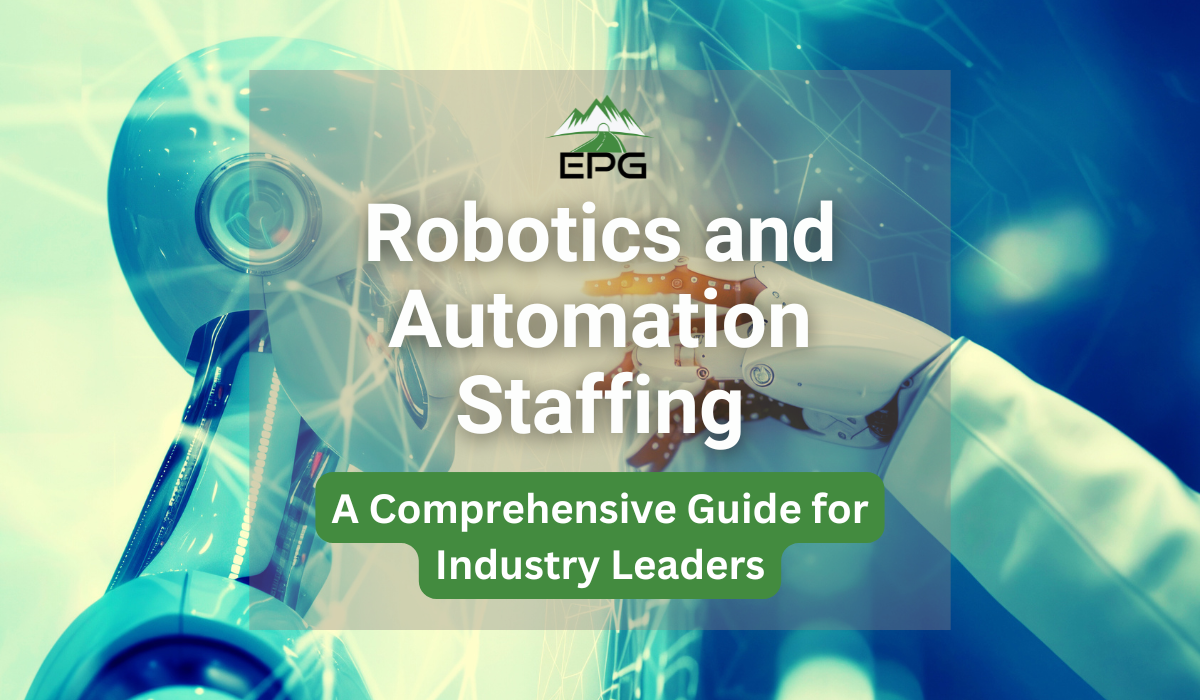
Robotics and Automation Staffing: A Comprehensive Guide for Industry Leaders
As the robotics and automation sector experiences unprecedented global expansion, so too does the critical need for highly specialized talent to support this rapid evolution. At EPG, we are experts in robotics and automation staffing, committed to helping you find the precise professionals you need to drive innovation, efficiency, and market leadership.
In this guide, we will discuss the key aspects of robotics and automation staffing, including:
-
The different specialized roles and responsibilities in the sector.
-
The unique challenges and opportunities in recruiting top talent.
-
How to find and hire the right professionals to build your automated workforce.
The Different Roles and Responsibilities in Robotics and Automation Staffing
The automation industry encompasses a wide range of job roles, from specialized engineers and maintenance technicians to data scientists and executive strategists. Success in this field relies on an integrated team. Some of the key roles in robotics and automation staffing include:
-
Executive Leadership in Automation: These industry veterans lead the strategic direction of your company, overseeing R&D, market entry, and large-scale digital transformation initiatives.
-
Robotics and Controls Engineers: These experts are responsible for designing, developing, programming, and testing automated systems, industrial robots, and control logic (like PLCs and HMIs). They must have a strong understanding of mechatronics, safety standards, and real-time control systems.
-
Robotics Maintenance Technicians: These professionals are crucial for maximizing uptime. They are responsible for the installation, maintenance, troubleshooting, and repair of robotic and automation equipment, requiring expertise in mechanical, electrical, and pneumatic systems.
-
Automation Supply Chain & Logistics Experts: These specialists ensure that automation companies have the necessary components, from sensors and actuators to integrated circuit boards. They must skillfully manage a global supply chain often characterized by customized, high-tech parts.
-
System Integration Specialists: Responsible for connecting disparate automated machines, software platforms, and data systems into a seamless, cohesive operational environment. They ensure data flow, network reliability, and successful deployment across various industrial standards (Industry 4.0/5.0).
The Challenges and Opportunities of Robotics and Automation Staffing
The automation industry is accelerating at a rapid pace, which creates an immense demand for skilled professionals. However, the highly specialized nature of the required skills has led to a widely acknowledged talent shortage.
Some of the key challenges in robotics and automation staffing include:
-
Fierce Competition for Niche Skills: There is intense competition for experts in highly specialized areas such as Computer Vision, Machine Learning (ML), Artificial Intelligence (AI) integration, and advanced simulation software. Companies must offer competitive compensation and compelling career growth paths.
-
Rapid Technological Advancements: The technology underpinning automation is constantly evolving. Employees must be lifelong learners, capable of quickly adapting to new communication protocols, sensor technologies, and regulatory changes in industrial standards.
-
Integration and Cybersecurity Complexity: As factories and processes become more connected, there is a growing need for professionals who understand operational technology (OT) cybersecurity and the complexities of integrating diverse, legacy, and cloud-based systems.
Despite these challenges, there are significant opportunities. Companies that proactively invest in and successfully execute effective robotics and automation staffing strategies will secure a competitive edge and be well-positioned to capitalize on the sustained growth of this transformative market.
How to Find and Hire the Right Robotics and Automation Talent
If you are a company operating in the automation sector, securing the right talent is your highest priority. Here are proven tips for finding and hiring the specialized professionals your business needs:
-
Start by Defining Hyper-Specific Needs: Go beyond general job titles. Clearly define the exact technical requirements, such as proficiency with specific PLC brands (e.g., Siemens, Rockwell), robot programming languages (e.g., ROS, C++), or AI/ML frameworks.
-
Network at Industry-Specific Events: Attend key industry conferences (like Automate, Hannover Messe, or regional robotics summits) and engage with professionals on specialized forums and groups on platforms like LinkedIn.
-
Utilize Specialized Job Boards: Post openings on job boards or career sites that specifically target engineering and technology professionals rather than relying solely on generalist platforms.
-
Work with a Recruiting Firm: A specialized recruiting firm like EPG has an established network and deep industry knowledge that is invaluable in this talent-scarce market. We have access to a pool of qualified candidates and can help you streamline the complex, high-stakes hiring process unique to robotics and automation staffing.
By following these tips, you can build the exceptional team necessary for your company to thrive in the automated future.
Frequently Asked Questions (FAQs) about Robotics and Automation Staffing
Q1: What are the most in-demand roles in robotics and automation staffing right now?
A: The highest demand is typically for Robotics and Controls Engineers (with PLC and SCADA expertise), Data Scientists specializing in industrial process optimization, and System Integration Specialists who can ensure seamless communication between various hardware and software components.
Q2: What is the typical timeframe for hiring a senior-level Robotics Engineer?
A: Due to the competitive market and scarcity of top talent, securing a senior-level Robotics Engineer can take anywhere from 8 to 16 weeks, sometimes longer. Working with a specialized firm can significantly shorten this duration by pre-vetting and presenting only qualified candidates.
Q3: How is the rise of AI impacting the demand for traditional automation roles?
A: AI is not replacing traditional roles; it is shifting the required skill set. There is now a greater need for professionals who can integrate AI and Machine Learning into existing systems, leading to higher demand for AI/ML Engineers who also possess foundational industrial automation knowledge.
Q4: What is EPG’s approach to finding candidates with highly niche skills (e.g., Computer Vision)?
A: EPG uses a targeted approach that goes beyond standard job boards. We leverage our proprietary network, direct sourcing, and executive search methodologies to identify candidates who may not be actively seeking a new role but possess the exact, niche skills your project requires.
Ready to Build Your Automated Workforce?
Whether you are looking to understand current compensation trends, need to fill a critical leadership role, or simply want to discuss the future of the robotics and automation staffing landscape, EPG is here to help.
Don’t let the talent gap slow your innovation.
Schedule a call or fill out our form today to learn how EPG can accelerate your hiring process and connect you with the industry’s top talent.
About the Author: EPG