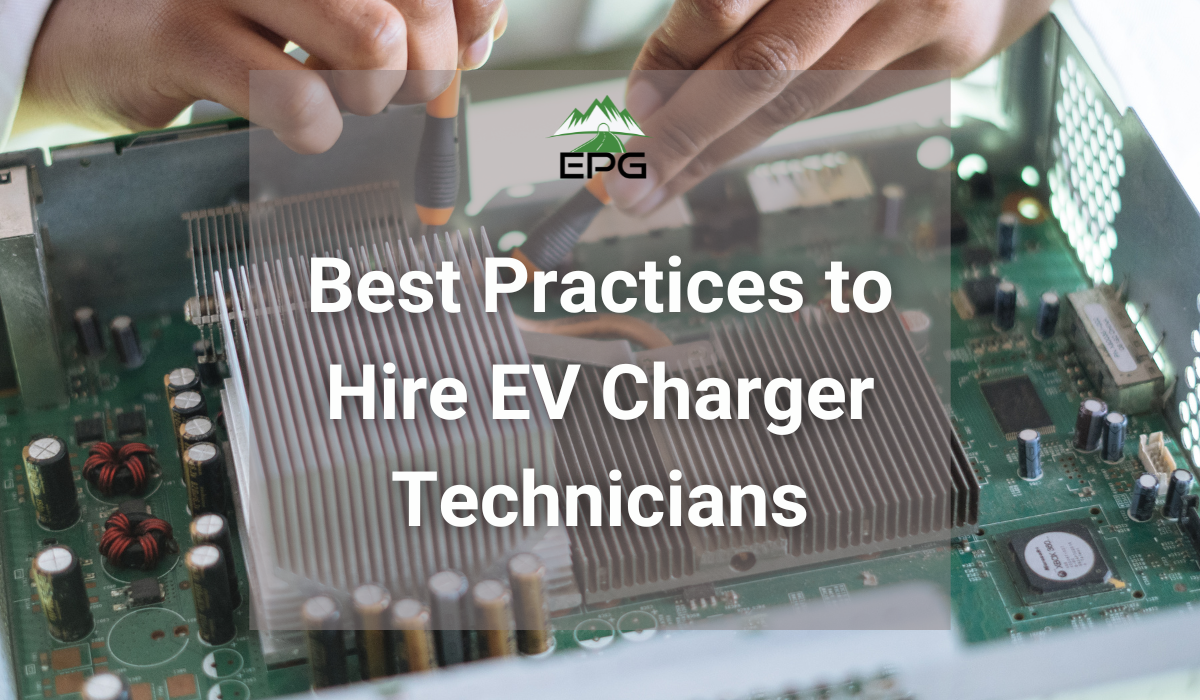
Best Practices to Hire EV Charger Technicians
The need for skilled technicians to install, maintain, and repair charging infrastructure is putting a lot of pressure on the EV labor market. Hiring qualified EV charger technicians can be a daunting task, especially given the rapid growth of the industry and the nationwide shortage of talent. In this article, we’ll explore the challenges of how to hire EV charger technicians across the United States and discuss best practices to address this gap.
The Nationwide Shortage of EV Charger Technicians
The increasing popularity of EVs has created a significant demand for charging infrastructure, leading to a shortage of skilled technicians capable of working with these systems. This shortage can be attributed to several factors:
- Rapid Industry Growth: The EV market is expanding rapidly, outpacing the development of training programs and educational institutions to produce qualified technicians.
- Geographic Disparities: The demand for EV charging infrastructure varies significantly across the country, making it challenging to recruit and retain technicians in areas with high concentrations of EVs.
- Lack of Awareness: Many individuals are unaware of the career opportunities available in the EV charging industry, limiting the pool of potential candidates.
Best Practices to Hire EV Charger Technicians
To effectively recruit and retain qualified EV charger technicians, employers should consider the following best practices:
- Competitive Compensation: Offer competitive salaries and benefits to attract top talent.
- Ongoing Training and Development: Provide opportunities for continuous learning and skill development to keep technicians up-to-date with industry trends.
- Career Advancement Opportunities: Create clear career paths and opportunities for advancement within the organization.
- Flexible Work Arrangements: Consider flexible work arrangements, such as remote work or flexible hours, to accommodate the needs of technicians.
- Partnerships with Training Institutions: Collaborate with training institutions to develop apprenticeship programs and talent pipelines.
Related Skills and Industries
While specialized training is essential for EV charger technicians, individuals with experience in related fields may possess valuable skills that can be transferred to this role. Here are some industries and skill sets that can be relevant:
- Solar Energy: Technicians familiar with solar panel installation, wiring, and electrical systems often have the necessary skills to work with EV charging infrastructure.
- Electrical Contracting: Individuals with experience in electrical contracting may have a strong foundation in electrical safety, code compliance, and troubleshooting.
- HVAC: Technicians with experience in heating, ventilation, and air conditioning systems may be well-suited for tasks such as managing thermal energy storage systems associated with EV charging.
Training Programs and Educational Opportunities
To address the shortage of EV charger technicians, a variety of training programs and educational opportunities have emerged. These programs can help individuals acquire the necessary skills and knowledge to succeed in this field. Some notable examples include:
ChargerHelp!
This online training platform offers comprehensive courses on EV charging infrastructure, including installation, maintenance, and troubleshooting.
EVITP
The Electric Vehicle Infrastructure Training Program provides hands-on training and certification for individuals interested in working in the EV charging industry.
Community Colleges
Colleges across the United States are increasingly offering programs that can provide a solid foundation for EV charger technicians. These programs often combine electrical engineering principles with hands-on training in EV technology.
Here are some examples of community colleges that offer relevant programs:
- Wake Tech Community College (Raleigh, NC) – EVSE Field Technician Program: This program provides a mix of online and hands-on instruction in both electrical systems and electric vehicle technology.
- Pasadena City College (Pasadena, CA) – EV Charging Station Technician Certificate: This program provides students with the necessary preparation for the electric vehicle industry, including safety and electrical energy standards, and certification in OSHA 10, NFPA 70E, and CPR First Aid certifications.
- Oakland Community College (Auburn Hills, MI) – Electric Vehicle Technician Training Program: This program equips students with the knowledge and skills needed to thrive in the rapidly evolving field of electric vehicle technology.
- Red Rocks Community College (Golden, CO) – Electrical Program: While not specifically tailored to EV chargers, this program provides a strong foundation in electrical engineering, which is essential for EV charger technicians.
Note: These are just a few examples, and many other community colleges across the country offer similar programs. It’s recommended to search for “EV charger technician programs” in your local area to find options that best suit your needs and location.
By adopting these best practices and investing in training and development, employers can help address the nationwide shortage of EV charger technicians and ensure a sustainable future for the electric vehicle industry.
FAQs
1. What certifications are required for EV charger technicians?
While there is no single, universally recognized certification for EV charger technicians, some industry organizations offer certifications that can demonstrate competency in this field. Examples include the National Electrical Contractors Association (NECA) Certified Electrical Technician (CET) and the North American Board of Certified Energy Practitioners (NABCEP). Additionally, some manufacturers of EV charging equipment may offer specific certifications for their products.
2. How can I find EV charger technician training programs in my area?
There are several ways to locate EV charger technician training programs in your area:
- Online Search: Use search engines to find training programs offered by community colleges, vocational schools, and private training providers.
- Industry Associations: Contact industry associations such as the National Electrical Contractors Association (NECA) or the Alliance for Electric Vehicles (AEV) for information on training programs and resources.
- EV Charging Equipment Manufacturers: Reach out to manufacturers of EV charging equipment to inquire about any training programs they offer or recommend.
3. What are the typical salary and benefits for EV charger technicians?
Salary and benefits for EV charger technicians can vary depending on factors such as experience, location, and employer with a national average of $55k. However, as the demand for EV charging infrastructure continues to grow, it is likely that salaries and benefits for technicians in this field will remain competitive.
4. What are the career advancement opportunities for EV charger technicians?
EV charger technicians can have opportunities for career advancement within the EV charging industry. With experience and additional training, technicians may be able to move into roles such as project managers, service managers, or technical support specialists. Additionally, as the EV industry continues to evolve, there may be opportunities for technicians to specialize in emerging technologies such as bidirectional charging or vehicle-to-grid (V2G) applications.
Contact EPG today to see how we can help you hire EV charger technicians!
About the Author: EPG